

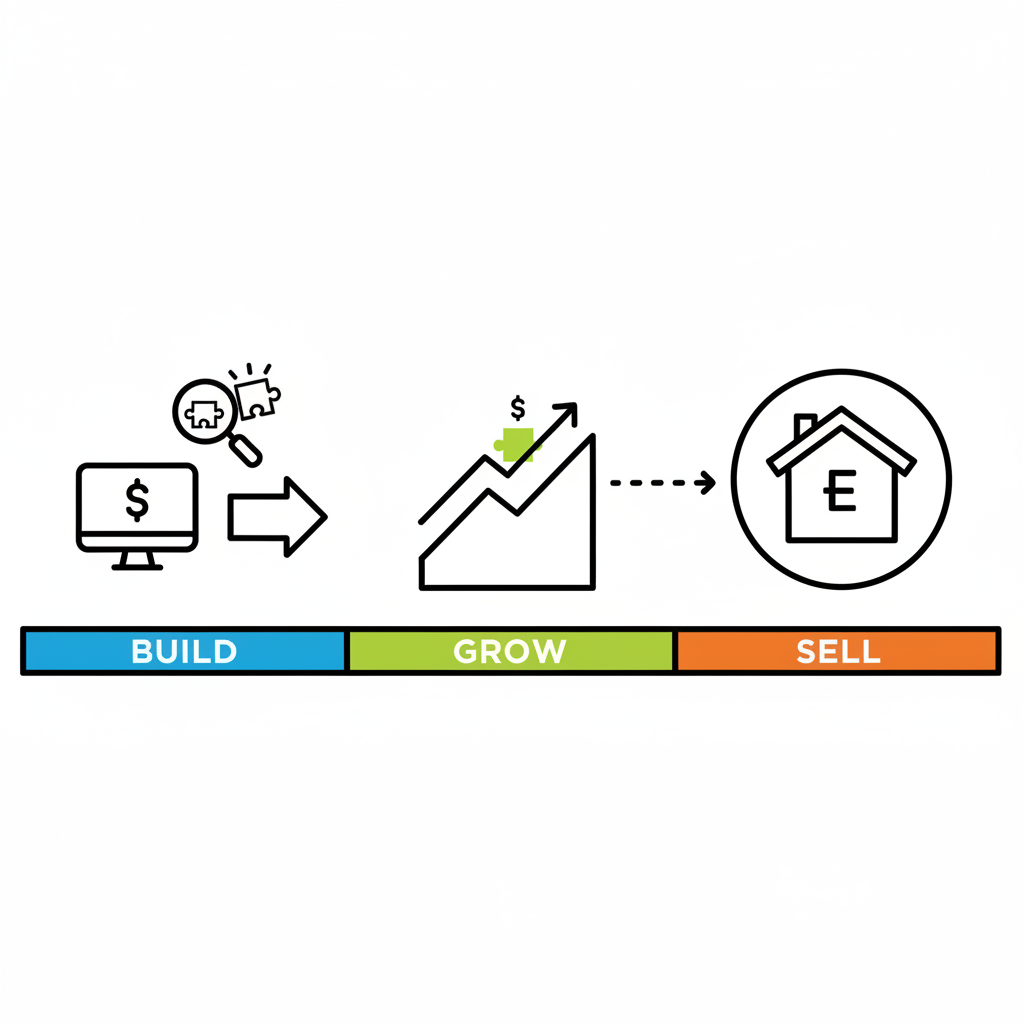
Building a successful niche digital project is one thing; exiting it profitably is another. For entrepreneurs and small business owners, a "micro-exit" – selling a smaller, specialized digital asset – can be a smart way to monetize your efforts. The key lies in focusing on a specific niche, operating lean, and building for acquisition from day one.
The Power of the Hyper-Niche
Forget broad markets. The most successful niche digital projects, particularly Micro SaaS, thrive by serving highly specific audiences. Think software for local pet groomers, a project management tool for regional law firms, or a content site dedicated to a single vintage car model. This hyper-niche targeting allows you to:
- Address Unique Pain Points: Solve problems that larger, more general tools overlook.
- Build Loyalty: Your audience feels understood and valued.
- Command Premium Pricing: Value is directly tied to the specificity of the solution.
- Attract Acquirers: Businesses looking to expand into specific verticals will see immediate value.
Lean Operations = Higher Margins
One of the biggest advantages of niche digital projects is the potential for exceptionally high profit margins. Micro SaaS businesses, when operated leanly, can achieve profit margins of 70-80%. This is significantly higher than larger SaaS companies. How?
- Bootstrap Funding: Avoid external investment to maintain 100% ownership and control. This allows you to optimize for profitability, not just growth.
- Minimal Staffing: Automate tasks and keep your team small. Focus on core product development and customer support.
- Low Overhead: Operate remotely, use cost-effective tools, and avoid unnecessary expenses.
Building for Acquisition
Even if an exit isn't your immediate goal, building with acquisition in mind makes your project more attractive and valuable. Consider these points:
- Demonstrable Value: Clearly articulate the problem your project solves and the tangible benefits it provides to your target audience.
- Recurring Revenue: Subscription models (SaaS, membership sites) are highly desirable for predictable income.
- Scalability (within the niche): While you're niche, ensure there's room for growth within that specific market.
- Clean Operations: Maintain organized code, clear documentation, and well-defined processes.
Strategic Partnerships: A Growth Multiplier
Don't underestimate the power of strategic partnerships. When structured correctly (beyond simple commission-based referral programs), they can significantly boost revenue and reach. Consider:
- Complementary Services: Partner with businesses that serve the same niche but offer different solutions.
- Equity Alignment: Explore partnerships where both parties have a vested interest in the success of the combined offering.
The MVP Approach and Rapid Iteration
Start with a Minimum Viable Product (MVP). Launch quickly, gather feedback, and iterate. This approach allows you to:
- Validate Your Idea: Ensure there's real demand before investing heavily.
- Stay Agile: Adapt to market changes and customer needs rapidly.
- Maintain Visibility: Regularly releasing updates or new side projects keeps your brand relevant.
In Summary:
Profitable micro-exits are achievable for niche digital projects by focusing on:
- Hyper-Niche Targeting: Solve specific problems for well-defined audiences.
- Lean Operations: Maximize profit margins through automation and minimal overhead.
- Bootstrap Funding: Retain ownership and control.
- Demonstrable Value: Clearly articulate the benefits your project offers.
- Strategic Partnerships: Expand reach and revenue.
By adopting these principles, you can build a valuable digital asset that is not only profitable to operate but also highly attractive to potential acquirers.
Sources